


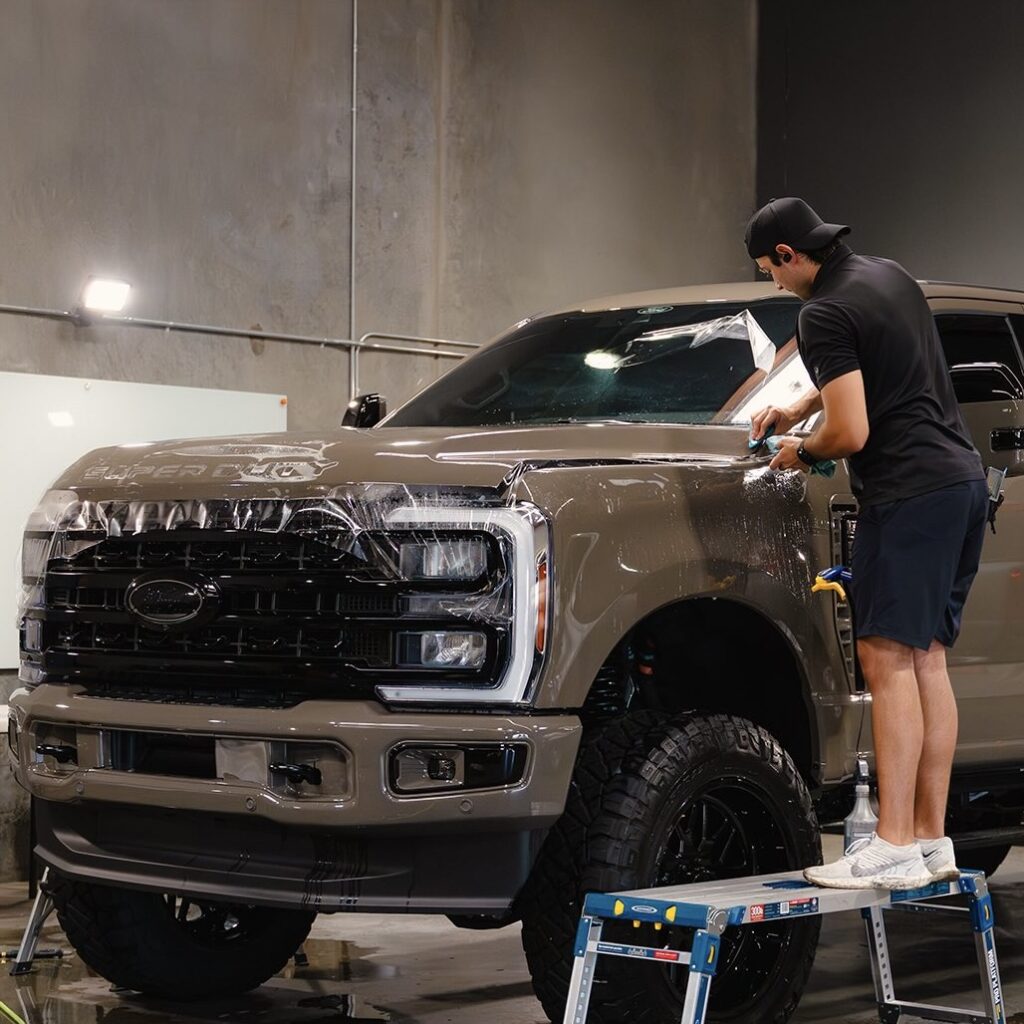
You set out on summer road trips, feeling the thrill of open highways and fresh air. Along the way, your bumper faces bug splatter, rock chips, and harsh UV rays. These can cause visible damage fast:
- Bug splatter eats into paint within days.
- Rock chips expose your vehicle’s finish.
- Sunlight causes fading.
A auto paint protection film gives you the best protection for every trip.
Why Summer Road Trips Damage Your Front Bumper
Highway Rock Chips and Gravel
You hit the highway for a long summer road trip, and your front bumper faces a tough challenge. High-speed driving means rocks, gravel, and grit fly up from tires and trucks. These bits of debris slam into your bumper, causing paint chips and scratches.
- Highway driving brings more impacts than city streets.
- Your bumper is the first to meet flying debris.
- Summer road trips increase the number of hits because of busy roads and rough surfaces.
Bug Splatter and Stains
Summer brings swarms of bugs. When you drive, they hit your bumper and leave sticky splatter. Bug guts contain acids and enzymes that eat away at paint.
- Heat makes bug stains stick even harder.
- If you leave them, they can etch into the clear coat and cause permanent damage.
- July and August are the worst months, with pavement temperatures soaring.
You can clean bug stains by soaking the area with water and car shampoo, then using a bug remover and a microfiber cloth.
Road Debris Impact
Road debris never stops. You see sand, salt, rubber, and dirt flying up from the pavement. These things chip paint and leave dents.
Paint chips, scrapes, and dents often come from rocks, pebbles, and road debris.
Your bumper takes the brunt of these impacts during trips, especially on highways.
UV Exposure on Long Drives
Sunlight beats down on your bumper during summer road trips. UV rays cause fading, discoloration, and clear coat breakdown.
- Paint loses gloss and can peel or flake.
- Color changes and cloudiness appear after long exposure.
Paint protection film acts as a shield, keeping your bumper safe from UV damage and helping it stay bright all summer.
What Happens Without Bumper Protection
Paint Chips and Scratches
You notice small chips and scratches on your bumper after a summer road trip. These marks appear quickly when rocks and debris hit your car. Paint chips make your vehicle look older and less cared for. Buyers often judge a car by its exterior. If you try to sell your car, chipped paint can lower its value.
- Paint chipping and scratching can significantly lower a vehicle’s resale value.
- A well-maintained exterior creates a stronger first impression for buyers.
- Protective measures like paint protection film help keep the factory finish and preserve resale value.
Faded Paint and Stains
Sun and bugs cause faded paint and stains. UV rays break down the paint, making it lose shine. Bug splatter leaves stains that stick and become hard to remove. You might need to repaint the bumper to fix this damage.
- Auto repair labor rates range between $47 and $215 per hour.
- Bumper painting takes a few hours, so labor costs can reach $94 to $430.
- Supplies add a few hundred dollars, depending on the material or color.
Quick tip: Clean bug splatter as soon as possible. Letting it sit in the sun makes stains worse.
Costly Repairs and Lower Resale
You pay more for repairs when you ignore bumper protection. Repainting or fixing scratches costs hundreds of dollars. Buyers often offer less money for cars with signs of prior damage or repainting.
- Repainting damaged areas can lead to reduced offers from buyers.
- A pristine original finish adds undeniable value to your vehicle.
- Proper care and maintenance signal to buyers that your car has been well cared for.
Paint Protection Film for Road Trip Defense
How Paint Protection Film Works
You want your vehicle to look great all summer, even after a long highway drive. Paint protection film gives you a strong shield against the most common threats. This clear film covers your bumper and other high-impact areas. It acts like armor for your paint.
Here’s how paint protection film works for you:
- The film is made from tough polyurethane. It absorbs impacts from rocks, gravel, and other road debris.
- The thickness of the film helps stop chips and scratches before they reach your paint.
- Paint protection film acts as a sacrificial layer. It takes the hit so your vehicle’s finish stays safe.
- The film has self-healing properties. Small scratches disappear when the sun warms the surface or when you use hot water.
- It blocks UV rays, so your paint keeps its color and shine all summer.
- Hydrophobic features help water, bug splatter, and dirt slide off. Cleaning your bumper becomes much easier.
Tip: Paint protection film is almost invisible. You keep the original look of your vehicle while adding serious protection.
The installation process for auto paint protection film is detailed and careful. Here’s what you can expect:
- Wash your vehicle with a wax-free cleaner.
- Degrease the surface with an alcohol-based cleaner.
- Dry everything with a clean microfiber towel.
- Set up in a clean, dust-free space.
- Mist soapy water on the film and your bumper for easy adjustment.
- Apply the film and use a squeegee to remove water and air.
- Use a heat gun to help the film fit curves and edges.
- Check for bubbles or imperfections and fix them right away.
Key Benefits of PPF Wrap
You want the best protection for your vehicle during summer road trips. PPF wrap gives you a long list of benefits that make it the top choice for vehicle protection.
- Combines impact resistance, UV protection, and self-healing technology in one product.
- Absorbs impacts from gravel, rocks, and other highway debris.
- Protects against chemical stains from bug splatter, bird droppings, and tree sap.
- Keeps your vehicle’s paint looking new, even after thousands of summer miles.
- Resists discoloration and staining, so your paint stays bright and glossy.
- Reduces the need for expensive paint repairs and touch-ups.
- Makes cleaning easier because water and dirt slide right off.
- Helps your vehicle keep its value. A well-protected car looks better and sells for more.
- Low maintenance. You spend less time washing and detailing.
Note: Self-healing paint protection film means you don’t have to worry about small scratches. The film repairs itself with heat, so your bumper always looks fresh.
PPF wrap is a smart investment for anyone who wants premium paint protection and peace of mind on every summer drive.
PPF vs. Ceramic Coating
You might wonder if ceramic coating offers the same level of protection as paint protection film. Both options help with vehicle protection, but they work in different ways.
Here’s a quick comparison:
| Feature | Paint Protection Film (PPF) | Ceramic Coating |
|---|---|---|
| Rock chips and road debris | Yes | No |
| Scratches and scuffs | Yes (self-healing) | Minor only |
| UV radiation and oxidation | Yes | Yes |
| Bird droppings and tree sap | Yes | Yes |
| Chemical etching and stains | Some | Yes |
| Hydrophobic (water repellent) | No | Yes |
| Enhanced gloss and depth | Maintains existing | Yes, significantly |
| Easier cleaning | Slightly | Dramatically |
| Corrosion prevention | Yes (covered areas) | Yes (all surfaces) |
| Longevity | 7 to 10 years | Up to 12 years |
| Coverage | High-impact areas | Entire vehicle |
| Removable | Yes | No (bonds permanently) |
Paint protection film gives you unmatched physical protection against rock chips, scratches, and road debris. The self-healing paint protection film repairs itself from minor marks, which ceramic coating cannot do. Ceramic coating adds shine and helps with cleaning, but it does not stop damage from rocks or gravel on the highway.
If you want the best defense for your bumper and other high-impact areas during summer, choose PPF. It keeps your vehicle looking new and ready for every adventure.
Choosing the Right PPF Coverage
You want to keep your car safe, but you may not know which auto paint protection film is best for you. Let’s look at the choices so you can pick the right one before your summer trip.
Front Bumper PPF
If you drive on highways a lot, front bumper PPF is a smart choice. This film protects your bumper from rocks, bugs, and small scrapes. It costs less and still guards the spot that gets hit the most.
Full Front Kit
A full front kit covers your bumper, hood, fenders, mirrors, and headlights. This gives strong protection for all the front parts of your car. You save money on repairs by covering the areas that get hit the most. Many people pick this kit for long trips or lots of highway driving.
Full Vehicle Wrap
A full vehicle wrap covers every painted part of your car. You get the best protection from front to back. This is good for expensive cars or if you want to keep your car for a long time. You won’t need touch-up paint and you save money over the years.
PPF is a clear layer that keeps your paint safe. A vinyl wrap changes how your car looks but does not protect as well.
When picking auto paint protection film, think about how strong it is, the quality, the warranty, UV protection, and if it can heal itself. Also, think about how much you drive, your budget, and how long you want your car to look new.
Most Vulnerable Areas During Summer Road Trips
Front Bumper and Hood
The front bumper and hood get hit the most on summer road trips. These parts face road debris, stones, and bugs every time you drive. Rock chips and scratches show up fast and make your paint look old. Bugs splatter and stick, especially after long drives on the highway. If you want your car to look good, protect these spots with paint protection film.
- The front bumper and hood get hit by road debris, stones, and bugs during summer trips.
- These spots are easy to damage with rock chips and scratches.
- Using Paint Protection Film (PPF) helps keep these parts safe.
Fenders, Mirrors, and Headlights
Fenders, mirrors, and headlights also face tough conditions. Parking in windy or coastal places can hurt your paint if doors hit your car. Fender benders happen a lot in busy summer parking lots. You might see new rock chips or windshield damage after a highway drive. Road debris, sand, and gravel can chip paint and cause scratches. If you do not fix these, rust can start. Salt air and moisture can wear away paint and hurt the plastic or metal under it. Headlights can get cloudy from humidity and may have electrical problems.
Tip: Check your fenders and headlights after every highway trip. Fixing small problems early stops bigger ones later.
Door Edges and Rocker Panels
Door edges and rocker panels are low and get hit a lot. Gravel, sand, and dirt fly up and hit these spots. Paint chips and scratches show up quickly. Moisture and salt can get in and cause rust. If you park near the coast, salt air makes paint wear away faster. Door edges get chipped when you open them in tight spaces. Rocker panels get dirty and need cleaning often.
You protect your car best when you know which parts need extra care during summer highway trips.
How Long Does Paint Protection Film Last
Durability and Warranty
You want auto paint protection film to last a long time. Good PPF can stay strong for five to ten years. How long it lasts depends on the film’s quality, how it was put on, how you drive, and how you take care of it. Hot summers and strong sunlight, like in Georgia, can make the film wear out faster. If you wash your car often and take care of it, the film will last longer.
- Most paint protection films last 5 to 10 years.
- The quality and installation are very important.
- Summer heat and sunlight can make the film wear out sooner.
- Taking care of your car keeps the film looking good.
Maintenance Tips
You can help paint protection film last longer with easy care. Try these tips:
- Wash your car every two weeks with a gentle cleaner made for cars.
- Don’t use strong chemicals or harsh cleaners. Use products the film maker suggests.
- Get a pro to check your film every six months. Finding problems early keeps your film working well.
Keeping auto paint protection film clean and cared for helps it protect your bumper for many years. A little work makes a big difference! 🚗✨
Keeping Your PPF Looking New on the Road
Cleaning Bug Residue and Debris
Bugs and debris can stick to your paint protection film after every summer drive. If you leave them too long, they get harder to remove. You want to keep your PPF looking clear and shiny, so use the right products and steps:
- Pick a pH-neutral car wash soap for regular cleaning.
- Try a gentle, enzyme-based bug cleaner that is safe for PPF.
- Stay away from harsh chemicals like Naphtha or petroleum distillates.
- For tough spots, use a PPF-safe bug and tar remover. Let it sit for a few minutes before wiping with a microfiber towel.
Quick tip: Wash off bug residue and debris as soon as you can. This keeps your film looking fresh and protects your paint.
Avoiding Sun and Chemical Damage
Summer sun can be strong, but you can help your PPF last longer. Paint protection film already blocks UV rays, but you can do more:
- Wash your vehicle often to remove dirt and road grime.
- Apply wax made for PPF to add a layer of defense against UV rays and pollution.
- Ceramic coatings can boost water beading and shine while giving extra UV protection.
Parking in the shade when possible also helps your film stay clear and bright.
Inspecting After Gravel Roads
Gravel roads can kick up debris that hits your bumper and sides. After you drive on these roads, check your PPF for any problems:
- Wash your car with a mild detergent to remove dust and debris.
- Look closely for any lifting, cracks, or scratches in the film.
- If you spot damage, fix it quickly to keep your protection strong.
Regular checks help you catch small issues before they turn into big repairs. Your PPF will keep working hard all summer.
FAQ
Does paint protection film stop rock chips?
You get strong defense against rock chips. The film absorbs impacts and keeps your bumper safe during summer road trips.
Can bug splatter damage my paint?
Bug splatter can eat into your paint. You should clean it quickly to avoid stains and keep your bumper looking new.
Is front bumper PPF enough for highway driving?
Front bumper PPF protects the most vulnerable area. You can add a full front kit for extra coverage if you drive highways often.