

You see more cars with bright colors and cool looks each year. Car vinyl wrap lets you change your car’s style without using paint forever. With more and more people wanting new ways to make their cars special and using wraps for ads on the go, the market for wraps is getting bigger. The USA and world markets for automotive wrap films keep growing and experts think the global market will reach USD 56.68 billion by 2033.
What is Car Vinyl Wrap?
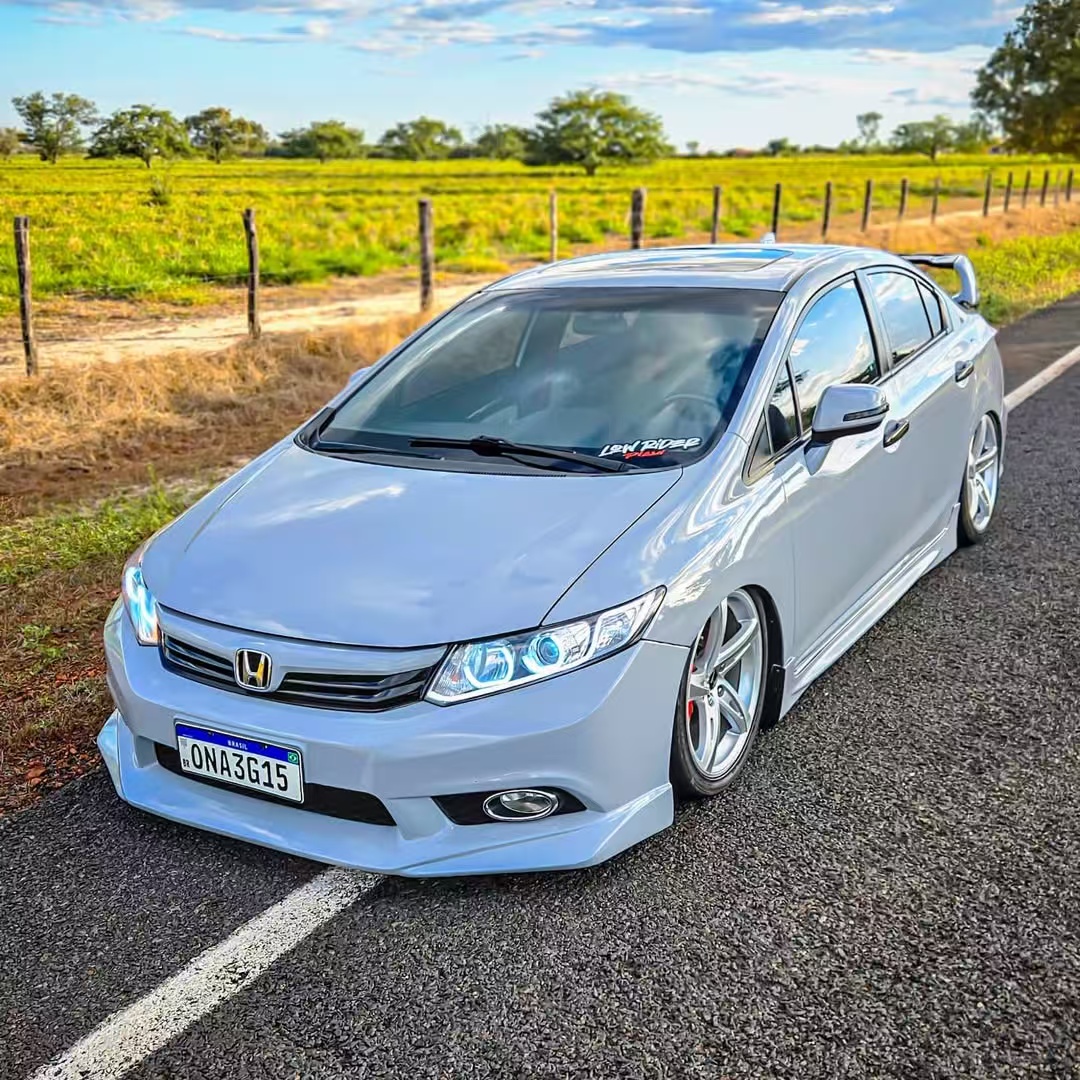
Define car vinyl wrap: A vinyl film applied to the car’s surface to change its color, texture, or appearance.
You can use a car vinyl wrap to change the look of your vehicle without using paint. This wrap is a thin, flexible sheet made from special materials like polyvinyl chloride (PVC) or advanced cast polymer film. The wrap has a sticky side that helps it stick to your car. You peel off a liner before you apply it. When you heat the wrap, it stretches and fits over curves and edges. This process lets you cover the whole car or just certain parts.
Car vinyl wrap comes in different types. You might see cut graphics, which show logos or contact details. Some people choose half wraps that cover only part of the car with big designs. Full wraps cover the entire vehicle with a custom look. You can pick cast vinyl for high-quality wraps that fit complex shapes and keep their color. Calendered vinyl is thicker and less flexible, made by pressing hot materials into sheets.
Compare vinyl wraps to traditional car paint: Benefits and differences
You might wonder how car vinyl wrap compares to regular paint. The main differences come from how you apply each one, how long they last, and how much they cost. Take a look at this table to see the key points:
| Aspect | Vinyl Wraps | Traditional Paint |
|---|---|---|
| Installation Time | 2–5 business days for full wraps | 1 to 3 weeks for full repaint jobs |
| Complexity | Easier for complex graphics | Labor-intensive with multiple layers |
| Permanence | Reversible, can be removed | Permanent finish, requires sanding/priming |
| Visual Transformation | Quick visual change with UV protection | Deep optical properties with multiple coats |
Materials Used in Car Vinyl Wrap
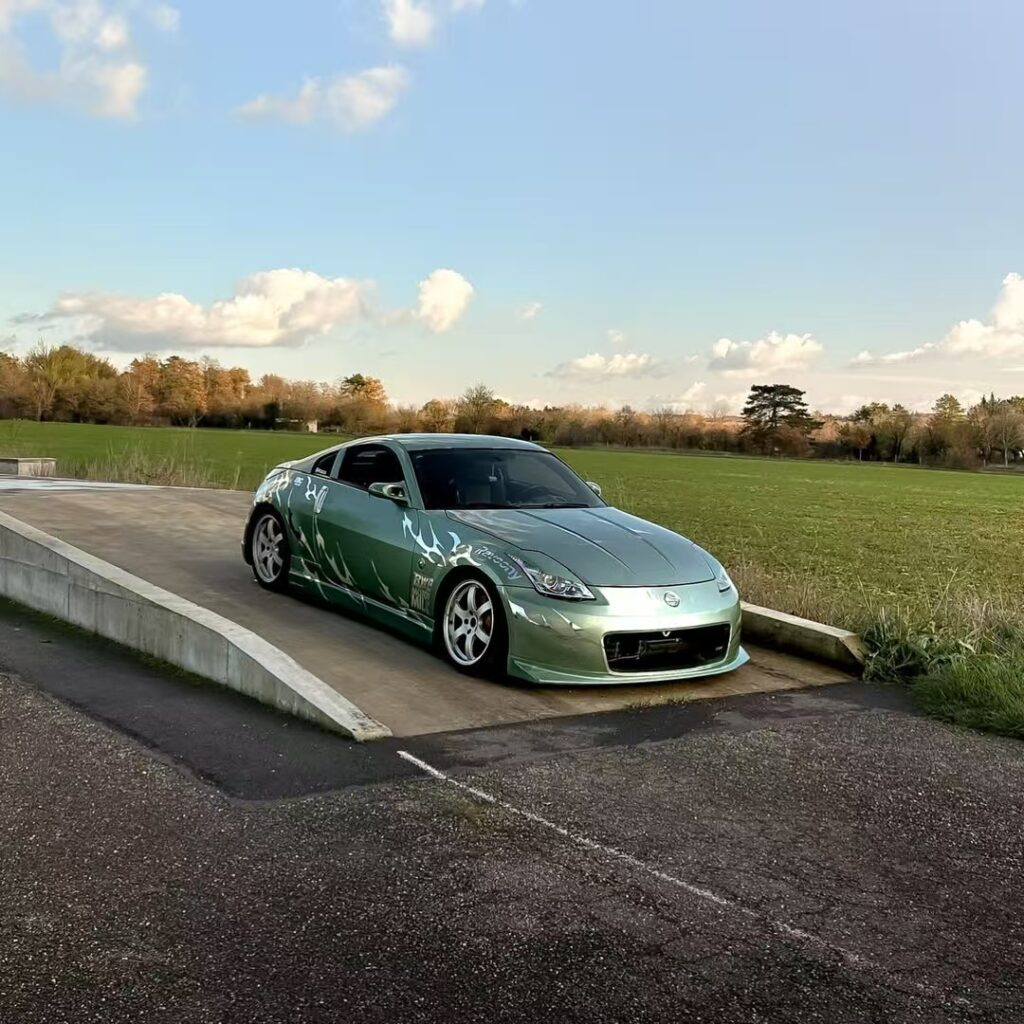
PVC (Polyvinyl Chloride):
Most vinyl wraps use PVC as their main material. PVC bends easily and sticks to many surfaces. This makes it simple to cover curves, mirrors, and bumpers. PVC keeps its shape and color for a long time. Your car will look good and stay protected with PVC.
PVC is picked because it stands up to sun and heat. It also lasts through rain and other weather. Tests show PVC keeps its color and strength outside. It blocks UV rays, heat, and moisture. This means your car stays looking nice for years. You do not have to worry about fading or damage.
Air Release Technology:
When you put on vinyl wraps, you want them smooth. Air release technology helps with this. Tiny channels in the vinyl let air move out. This stops bubbles and wrinkles from forming. Your car gets a clean and neat look.
- Air-release channels make wraps easier to install.
- You get fewer bubbles under the wrap.
- Both pros and beginners can get a smooth finish.
You will see better quality right away. Air release technology gives you a perfect look. You do not need to fix as many mistakes. The wrap sits flat and looks like it came from the factory. This makes wrapping your car less stressful and more fun.
Thickness and Durability: Vinyl Wrap Materials
You should check how thick your vinyl wrap is. Most wraps are between 3.0 and 4.5 mils thick. This thickness is good for both bending and lasting a long time. Some wraps are thicker, up to 12 mils, for extra protection. Thicker wraps stop scratches, block UV rays, and keep out dirt. Your car will look new for longer.
- Most vinyl wraps are 3.0 to 4.5 mils thick.
- Thicker wraps (4 to 12 mils) give more protection.
- More thickness means wraps last longer.
Thicker vinyl wraps work like a shield for your car. They take hits that could scratch your paint. The sun cannot fade them as fast. Dirt and rocks do not hurt them as much. Good vinyl wraps can last seven to twelve years. Regular wraps last three to six years. You get strong protection and your car looks great.
Advantages of Car Vinyl Wrap
Customization:
How vinyl wraps offer endless possibilities for customizing the car’s appearance—colors, finishes (matte, gloss, satin), and patterns.
Car wraps let you change how your car looks in many ways. You can pick from lots of colors, finishes, and patterns. Matte wraps give a modern look. Glossy car wrap makes your car shiny. Satin car wrap add a soft, smooth glow. Metallic and iridescent wraps change color in the light. You can also add custom graphics to show your style or brand.
Paint Protection:
A car wrap protects your car from small scratches and chips. The wrap acts like a shield for your paint. It blocks UV rays that can fade your car’s color. The wrap also covers small marks and keeps your car looking fresh.
Cost-Effective Alternative to Repainting:
Car wraps cost less than repainting your car. A full wrap for a mid-sized car usually costs $2,500 to $8,000. Most pro wraps cost $2,500 to $6,000 or more. Painting a car can cost much more, especially for special colors. You can remove or change a wrap if you want a new look or need to fix damage.
Resale Value:
A car wrap helps keep your car’s value high. The wrap protects the paint from sun, scratches, and dirt. When you take off the wrap, the paint looks new. Buyers like cars with nice, original paint. You can sell your car for more money if the paint looks good.
How to Choose the Right Car Vinyl Wrap
Consider Your Purpose:
Whether you’re looking to change the car’s color, protect the paint, or advertise your business, choosing the right type of vinyl is crucial.
Think about why you want a car vinyl wrap. Do you want a new color, to protect your paint, or to show your business? Your reason helps you pick the best wrap. If you want a bright color, try samples on your car first. Look at the color in the sun and in the shade. If you want to advertise, pick colors and designs that fit your brand. For paint protection, choose a strong vinyl wrap.
Here are some things to think about:
- Try color samples before you decide.
- Think about your goal, like style or business ads.
- Check your weather. Light colors reflect sun and are good for hot places. Dark colors soak up heat and are better for cold places.
- Pick colors that show your style. Decide if you want to stand out or keep it simple.
Brands and Quality:
Recommend reputable brands like 3M, Avery Dennison, or Ravoony for high-quality wraps.
How to identify high-quality vinyl: look for reviews, certifications, and samples.
There are many car vinyl wrap brands to choose from. Some brands are known for being strong and easy to use. 3M has lots of finishes and lasts a long time. Avery Dennison has bright colors and is easy to put on. Ravoony is simple to use and costs less. These brands help your wrap look good for years.
To find good vinyl, read customer reviews and check for certifications. Look for the brand’s logo and quality marks on the wrap. These show you are getting real, good vinyl. Check if the wrap sticks well and stretches. Make sure it blocks UV rays and lasts in bad weather. Test how strong it is before and after you put it on.
What is a vinyl wrap and how does it work?
You use a vinyl wrap to change your car’s look. The vinyl sticks to the surface and covers the paint. You can pick many colors and finishes. The vinyl wrap protects your car and gives it a new style.
How long does a vinyl wrap last on a car?
You can expect a vinyl wrap to last three to seven years. The vinyl stays strong if you clean your car often and keep it out of harsh sunlight. Good care helps the vinyl wrap look fresh for a long time.
Can you wash your car with a vinyl wrap?
You can wash your car with a vinyl wrap using mild soap and water. The vinyl does not need special cleaners. You use a soft cloth to clean the vinyl wrap. You keep your car looking good with regular washing.