


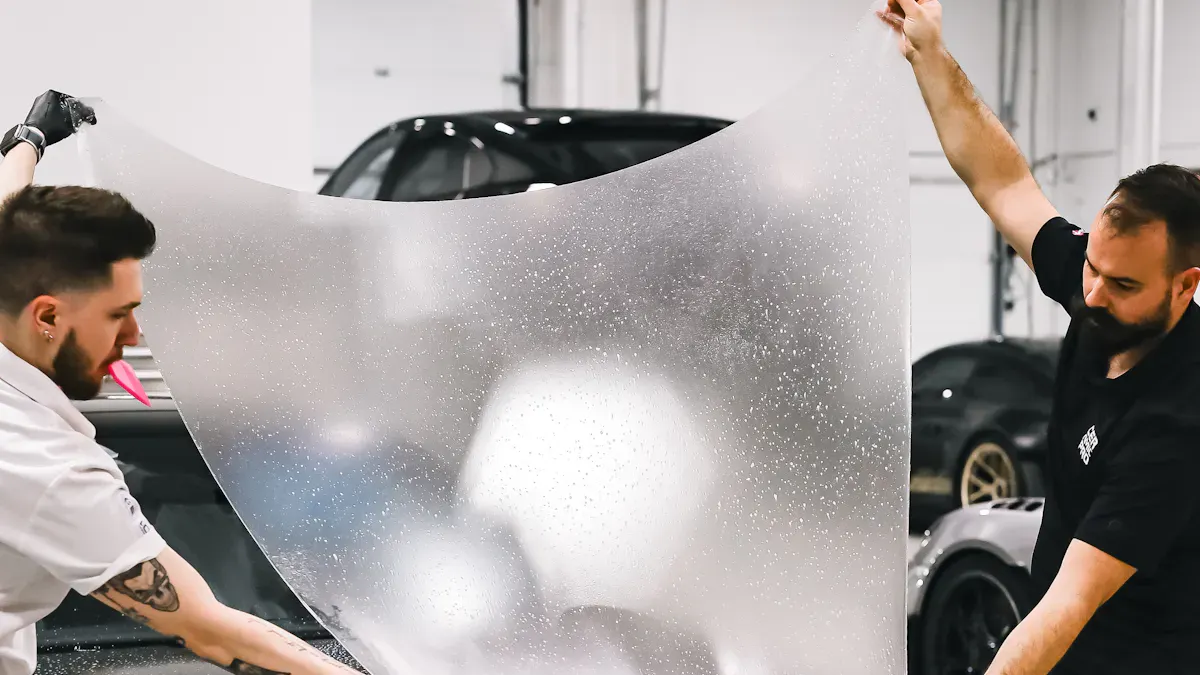
You might wonder what is ppf and why so many car owners talk about it. PPF stands for paint protection film, a clear layer that shields your car from scratches, chips, and harsh weather. It fixes small scratches with heat and keeps your car looking perfect.
What Is PPF?
Paint Protection Film Basics
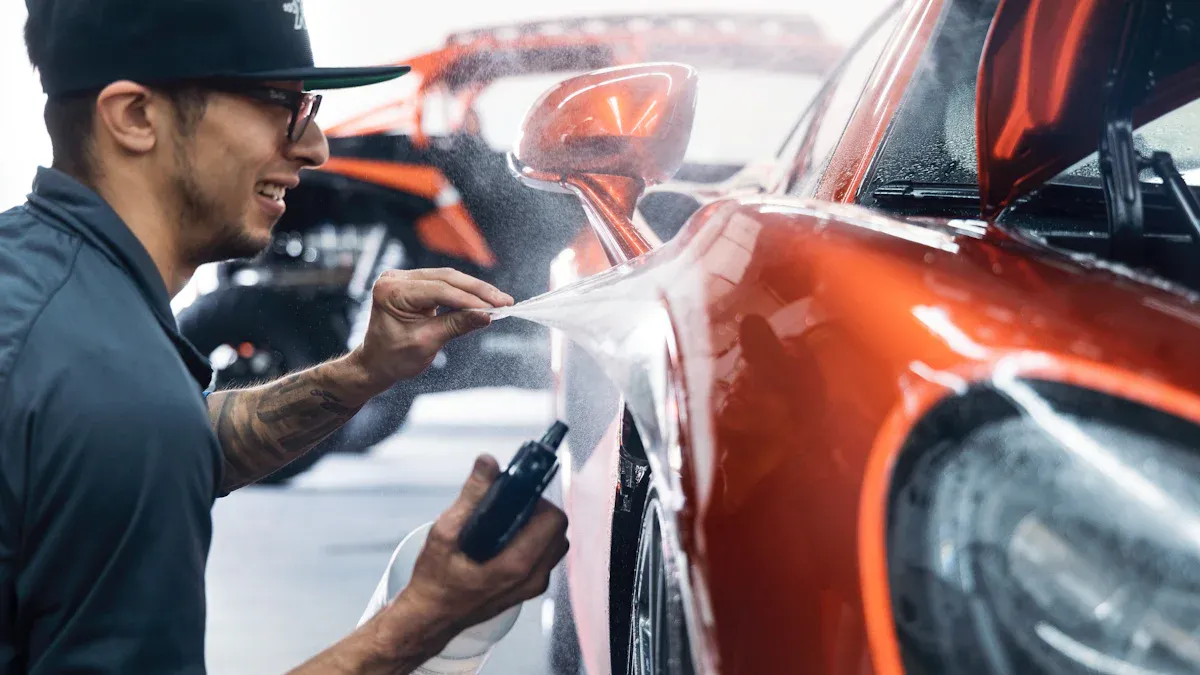
If you want your car to look new, you should know about ppf. PPF means paint protection film. It is a clear and strong layer that goes over your car’s paint. This layer helps stop scratches, chips, and other damage. Many people ask what is ppf and why it matters. The answer is easy. PPF works like a shield. It keeps your car’s paint safe from things that can hurt it.
You may wonder what paint protection film is made of. Most PPF uses a material called polyurethane. This material is thick and bends easily. It can take hits and does not tear easily.
How PPF Works
Now let’s talk about how paint protection film works. When you put PPF on your car, it makes a barrier. This barrier blocks rocks, road debris, bug splatter, and bird droppings. The film also protects your car from UV rays. UV rays can make paint fade and get weak. The sticky side of the film holds it to your car. It does not hurt the paint under it.
Modern PPF uses new technology for more benefits. Some films have a self-healing top layer. If you get a small scratch or swirl, the film can fix itself with heat. Sunlight or warm water can help the film heal. You do not have to worry about little marks on your car.
Many new paint protection films are hydrophobic. This means water and dirt slide off the surface. You do not have to wash your car as much. Your car stays cleaner for longer.
If you want the best protection, check out Ravoony Pro. Ravoony Pro uses special materials to last longer. It has an RC vinyl layer that protects against scratches and aging. The film also has a hydrophobic coating. Water and dirt do not stick to it. Ravoony Best Car Paint Protection Film can fix small scratches with heat. It also comes in many colors and finishes. You get both protection and style.
Benefits Of Paint Protection Film
Scratch And Chip Defense
You want your car to stay free from scratches and chips. The Best Car Paint Protection Film gives your vehicle a strong shield. PPF acts as a sacrificial layer, absorbing impacts from rocks and road debris. This means your car’s original paint does not get damaged. The film covers high-impact areas like the front bumper, hood, and fenders. These spots take most of the hits when you drive.
UV And Weather Protection
Sunlight and weather can harm your car’s paint. PPF uses a thick urethane layer to block UV rays. This keeps your paint from fading or getting weak. The film also protects against acid rain and other harsh weather. Urethane is stable and resists UV damage, so your car keeps its shine.
- Paint protection film acts as a second skin for your car.
- It shields your paint from both mechanical and chemical damage.
- Your car stays looking new, even after years in the sun or rain.
Self-Healing And Durability
Modern ppf, like Ravoony Pro, uses self-healing technology. If you get a small scratch, the film repairs itself with heat. Sunlight or warm water can make scratches disappear. This keeps your car looking flawless.
With ppf, you protect your car, keep it looking great, and even boost its value.
PPF Vs. Other Protection Options
PPF Vs. Ceramic Coating
You might ask how ppf and ceramic coatings are different. Both protect your car, but they do not work the same way. PPF is a thick, clear layer that stops chips and scratches. Ceramic coatings make your car’s surface slippery. Water and dirt slide off easily. You do not need to clean as often with ceramic coatings.
Here is a table showing the main differences:
| Feature | Paint Protection Film (PPF) | Ceramic Coatings |
|---|---|---|
| Lifespan | 7 to 10 years with proper maintenance | Long-lasting but requires top-ups |
| Maintenance Practices | Routine gentle washes, removal of acidic contaminants, annual inspections | Careful washing, reapplication of top-ups |
| Physical Protection | Provides thickness to prevent chips | Improves hydrophobicity but less physical protection |
| Cost of Maintenance | Reduces frequency and cost of paint repairs | Frequent reapplication of wax needed |
PPF is special because it blocks rocks and scratches. It keeps your car safe from road debris. Ceramic coatings cannot stop chips or deep scratches. You should wash ppf gently and check it every year. Ceramic coatings need careful washing and regular top-ups.
PPF Vs. Wax And Sealants
Wax and sealants make your car shiny and give some protection. You can put them on yourself, but they do not last very long. PPF lasts much longer and protects better.
Here is a table comparing ppf to wax and sealants:
| Feature | Paint Protection Film (PPF) | Traditional Waxing and Sealants |
|---|---|---|
| Durability | Lasts 5–10 years | Lasts 3–6 months |
| UV Protection | Superior protection | Moderate protection |
| Ease of Application | Requires expertise | User-friendly |
| Cost | Higher initial investment | More budget-friendly |
PPF has special benefits:
- PPF blocks almost all UVA and UVB rays. Your car’s paint stays new for years.
- Good paint protection film lasts 5 to 10 years. Waxes do not last as long.
- PPF can heal itself. Small scratches go away with heat.
- The film stops UV rays, so paint does not fade.
- PPF fixes fine scratches and scuffs with heat. Your car stays looking perfect.
PPF gives you peace of mind. It protects your car from damage and lasts longer. Your paint stays nice. Wax and sealants need to be reapplied often and only protect a little. If you want your car safe for a long time, paint protection film is the best choice.
Application And Maintenance
Where To Apply PPF
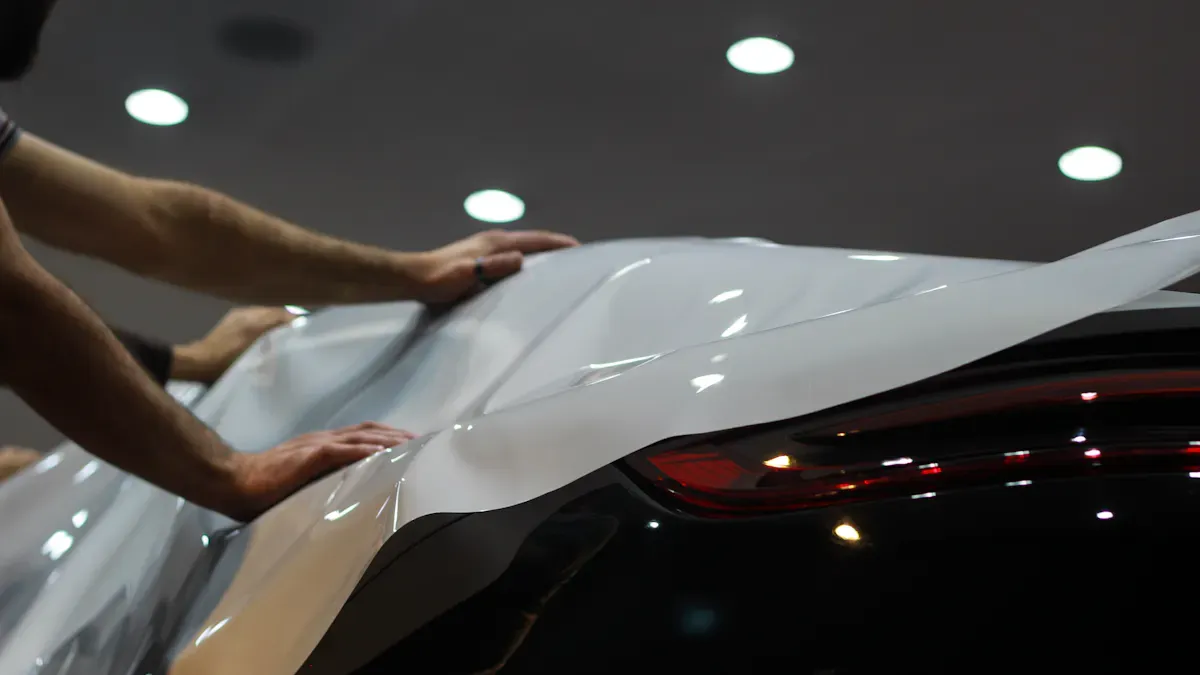
You want to keep your car safe from damage. Paint protection film works best on parts that get hit a lot. These are places like the hood, front fenders, and front bumper. It also helps on side view mirrors, rocker panels, lower doors, and rear guards behind the wheels. These spots get chips and scratches often. When you put ppf on them, it takes the hit instead of your paint. This keeps your car looking new. You also save money because you do not need repairs.
Installation Methods
You can pick professional or DIY for installing paint protection film. Each way has good and bad points. Here is a table to help you compare:
| Aspect | Professional Installation | DIY Installation |
|---|---|---|
| Quality of Materials | High-quality, durable films | Consumer-grade, may be less durable |
| Warranty and Support | Comprehensive warranty and support | No warranty, owner responsible |
| Time Efficiency | Fast, less downtime | Time-consuming, especially for beginners |
| Cost | $1,000–$5,000 for full coverage | $300–$1,000, but risk of extra costs |
| Learning Opportunity | No learning, relies on expert | Good for learning and skill building |
| Risk of Damage | Low, handled by professionals | Higher, mistakes can damage paint |
| Flexibility | Must book appointments | Install on your own schedule |
If you choose a pro, you get the best look and a warranty. Doing it yourself costs less and you learn new skills. But you might make mistakes that hurt your paint. Ravoony Pro starts at $300 for part of the car. Full wraps can cost up to $2,000. Bigger cars or hard designs can cost more.
Care And Longevity
To keep your paint protection film working well, you must take care of it. Wash your car every week or two with a pH-neutral shampoo. Use two buckets and dry with a soft towel. This stops swirl marks. Clean off bird droppings and acid spots right away. Spray on hydrophobic products every few months to keep it slick. Check the film once a year to see if the edges are still good.
Ravoony Pro gives a 10-year warranty for yellowing and cracking. Good films with UV blockers do not turn yellow. If you care for your film, it can last many years. This means you do not have to replace it often. Your car keeps its value.
FAQ
How long does paint protection film last?
Most PPF lasts 5 to 10 years. Ravoony Pro offers a 10-year warranty. You get long-lasting protection if you care for the film and wash your car regularly.
Does PPF affect the look of my car?
No, PPF is clear and almost invisible. Ravoony Pro also offers glossy, matte, and chameleon finishes. You can keep your car’s original look or choose a new style.
Can I install PPF myself?
You can try DIY kits, but professional installation gives the best results. Experts use special tools and techniques. You get a smooth finish and warranty support.