


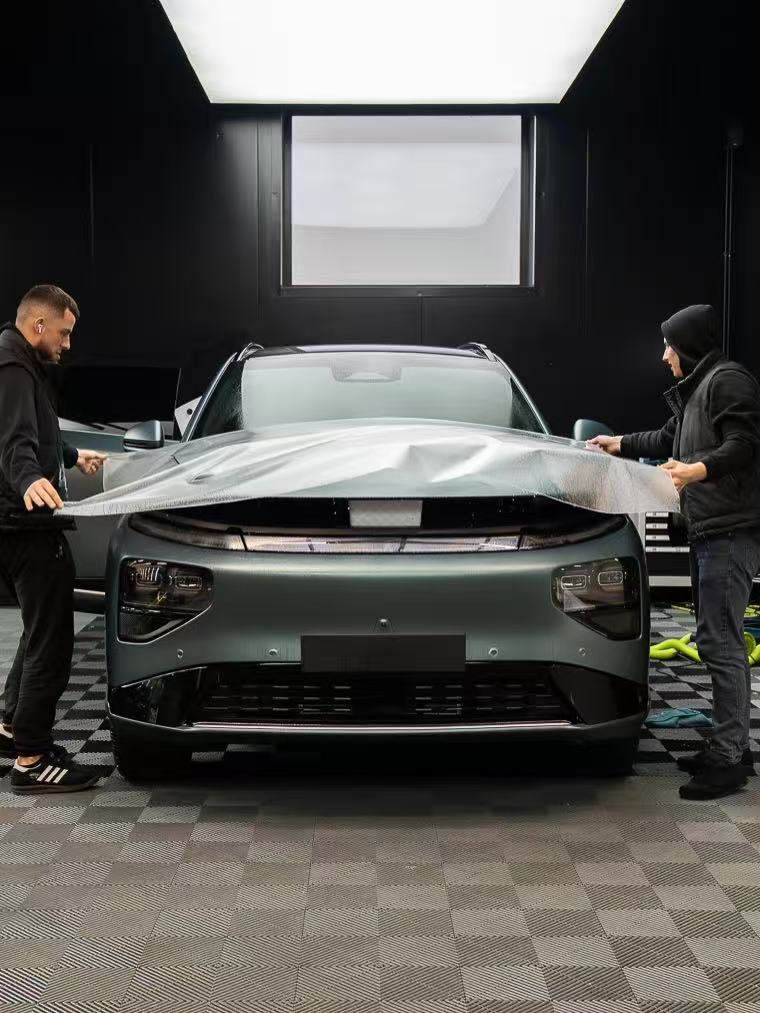
If you want your car to look sharp and stay protected, you should avoiding common mistakes during ppf installation makes all the difference. If you skip proper cleaning, misalign the film, or trap air bubbles, you might not get the sleek finish you expect. Your goal is a smooth, long-lasting result.
Common PPF Installation Mistakes
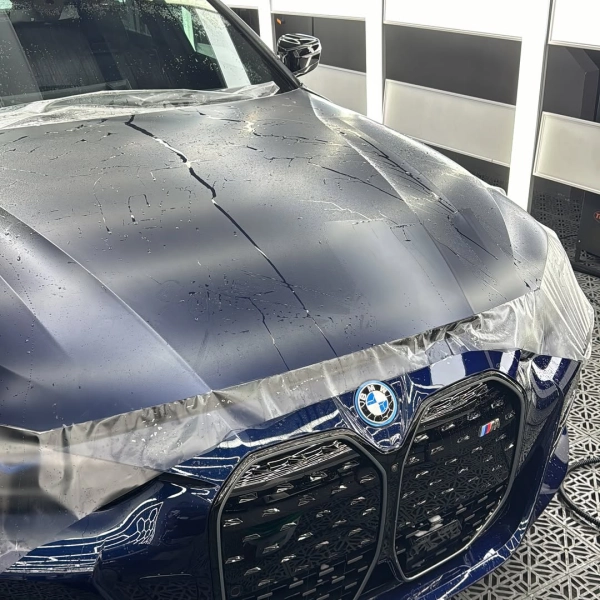
You want your car to look its best, but even small ppf installation mistakes can ruin the finish. Many installers run into the same problems over and over. Let’s break down the most common pitfalls so you can avoid costly mistakes and get the results you want.
Poor Surface Prep
Improper surface preparation is the number one reason for failed installations. If you skip this step, you risk potential adhesion issues and a short lifespan for your film. Dust, dirt, or leftover wax can get trapped under the film and cause it to peel or wear out early. Good surface preparation can make your ppf installation last up to 50% longer.
Here’s how professionals handle surface preparation:
- Wash your car with a mild car wash solution and a microfiber mitt.
- Use a clay bar to remove any stuck-on contaminants.
- Remove old wax and sealants with an automotive-grade wax remover.
- Degrease the surface with a 1:1 mix of isopropyl alcohol and water.
- Dry the car with a soft, lint-free microfiber towel, paying attention to crevices.
- Inspect the surface under good lighting for any missed spots or imperfections.
Tip: Always use non-abrasive, lint-free cloths during prep to avoid scratches.
If you rush or skip these steps, you’ll likely see bubbles, peeling, or even discoloration. Ravoony Best Car Paint Protection Film self-healing tech helps with minor scratches, but nothing replaces a clean start.
Misalignment Issues
Misalignment of the film is another one of the most common ppf installation mistakes. If you don’t line up the film with the body lines, you’ll see uneven gaps around mirrors, handles, or trim. This not only looks bad but also lets dirt and moisture sneak in, which can lead to peeling.
Common causes of misalignment include:
- Not taking time to position the film before sticking it down.
- Failing to use reference points on the vehicle.
- Incorrect pattern scaling, which leads to poor fit and lifting edges.
- Rushing through the process and not checking panel gaps.
To avoid these common pitfalls, try these tips:
- Use a slip solution (water with a few drops of dish soap) to help reposition the film.
- Start from the center of each panel and work outward.
- Use the car’s body lines as guides for accurate placement.
If you take your time and double-check your work, you’ll avoid misalignment and get a smooth, professional look.
Trapped Air Bubbles
Trapped air bubbles are a classic sign of ppf installation mistakes. These bubbles make your car look messy and can cause the film to peel or discolor over time. Creating bubbles and wrinkles often happens when installers rush or don’t use the right tools.
Here’s how to handle bubbles during ppf installation:
- Spray a slip solution on both the paint and the film to help move out air pockets.
- Use a quality squeegee to push air and moisture toward the edges.
- For stubborn bubbles, gently heat the area with a hairdryer or heat gun on low, then squeegee again.
- If a bubble won’t go away, prick it with a fine needle and smooth it out.
Note: Small bubbles may disappear on their own, but larger ones need attention right away.
Excessive Heat Use
Many installers think more heat means better results, but this is one of the most common ppf installation mistakes. Too much heat can warp or damage the film. It’s important to keep the heat source moving so you don’t create hotspots that ruin the film’s look and protection.
- Always use low heat and move the tool constantly.
- Never hold a heat gun in one spot for too long.
- Let the film cool before making adjustments.
If you use too much heat, you risk damaging the film and having to start over. Ravoony Pro’s advanced materials handle normal heat well, but you still need to be careful.
Most Frequent PPF Installation Mistakes (Industry Surveys):
- Inadequate preparation of the car
- Neglecting environmental conditions
- Incorrect pattern scaling
- Not sealing edges
- Touching adhesive with bare hands
- Rushing squeegee passes
- Overstretching the film
By knowing these common ppf installation mistakes, you can avoid them and get a smooth, long-lasting finish.
Applying Paint Protection Film Correctly
You want your car to look great. Let’s learn how to put on paint protection film the right way. These tips help you avoid mistakes and get a smooth finish.
Clean Workspace
Start by cleaning your workspace. Good lighting helps you see everything during ppf installation. Dust and dirt can mess up your work, so pick a spot with little dust in the air. Keep the temperature steady so you don’t trap dirt under the film. Here’s what you should do:
- Pick a place with no dust for paint protection film.
- Make sure the area has fresh air to handle cleaning fumes.
- Keep the room at the same temperature.
Tip: A clean workspace helps you avoid rushing or stretching the film wrong.
Proper Film Stretching
Stretching the film the right way is important. If you pull too hard or use too much heat, the film can stretch wrong and look bad. You want the film to fit tight but not lose its shape. Here’s how you do it:
- Use gentle heat to make the film soft and easy to shape.
- Press evenly to stop wrinkles and help the film stick.
- Follow the 15% scaling rule so the glue does not get too thin.
- Cut around corners to help the film fit without pulling.
Accurate Placement
Putting the film in the right spot is important for looks and safety. You want the film to cover places like the front bumper and hood. This keeps your paint safe and keeps your car looking new. Here’s what to remember:
- Use the right squeegee moves to get rid of bubbles.
- Place the film carefully to keep the paint shiny and bright.
- Check the size and lines to make sure it looks perfect.
Ravoony Pro has many finishes like glossy, matte, and chameleon. You can pick the look you want and still get strong protection.
Avoiding Cheap Film Choices
Quality Matters
Not all paint protection films are the same. Good quality makes a big difference. Cheap film can turn yellow, bubble, or peel at the edges. These problems can show up quickly and make your car look bad. Cheap film often does not block UV rays, so it turns yellow in sunlight. You might see stains from bird droppings or water spots that stay forever. Wrinkles and stretch marks can happen if the film is stretched too much or put on badly.
Long-Term Value
Good ppf installation costs more at first. But you get more for your money. A good film lasts longer and saves you money later. Here is why picking a premium film like Ravoony Pro is smart:
- You pay more at the start, but you do not need new film every year.
- Good ppf installation means you fix fewer bubbles or peeling spots.
- Protecting your paint helps you avoid repainting, which can be very expensive.
- Cars with good ppf installation can sell for more because they look better and have fewer marks.
Tip: A car with a clean, protected finish can be worth up to 10% more when you sell it!
When you pick Ravoony Pro, you get a film that keeps your car looking good and saves you money over time. You can relax knowing your ppf installation will last and keep your car safe for years.
Professional Installation vs DIY
Choosing between professional installation and doing it yourself can feel tricky. You want the best for your car, but you also want to make a smart choice for your budget and skills. Let’s break down when you should call in the pros and what you need to know if you want to try ppf installation on your own.
When to Seek Expert Help
Sometimes, letting a professional handle the job just makes sense. Here are a few things to think about:
- Your skill level: If you haven’t done this before, professional installation gives you peace of mind.
- Your budget: DIY can save money, but mistakes might cost more in the long run.
- The finish you want: If you want your car to look flawless, professional installation is the way to go.
- Your time: DIY takes patience and effort. Professionals work faster and deliver great results.
Did you know? About 40% of DIY jobs need a pro to fix mistakes. That means professional installation often saves you time and stress.
Professional installers have lots of experience with different cars. They use special tools and know how to cut and fit the film perfectly. You also get more options for custom work, like full wraps or special finishes.
Ravoony Pro supports professionals with high-quality materials, expert support, and a warranty that keeps your car protected for years.
Training and Guidance
If you want to try installing PPF yourself, you need the right training. New installers should start with hands-on practice and online classes. These teach you about the film, how to prep the surface, and how to trim edges for a clean look.
Here’s what good training covers:
- Practice with real cars and professional tools
- Learning to measure and cut film the right way
- Tips for tricky spots like bumpers and hoods
- How to avoid common mistakes and fix small problems
Tip: Practice makes perfect. The more you work with PPF, the better your results.
Ravoony Pro helps both professionals and DIY fans. You get step-by-step guides, tool recommendations, and tips to avoid mistakes. This makes it easier for new installers to get great results, even if it’s their first time.
| For Professionals | For DIY Enthusiasts |
|---|---|
| Fast, flawless results | Easy-to-follow instructions |
| Expert support | Wide range of finishes |
| Warranty protection | Tips for common challenges |
No matter which path you choose, Ravoony Pro makes sure you get the best protection and a finish you’ll love.
Maintenance After PPF Installation
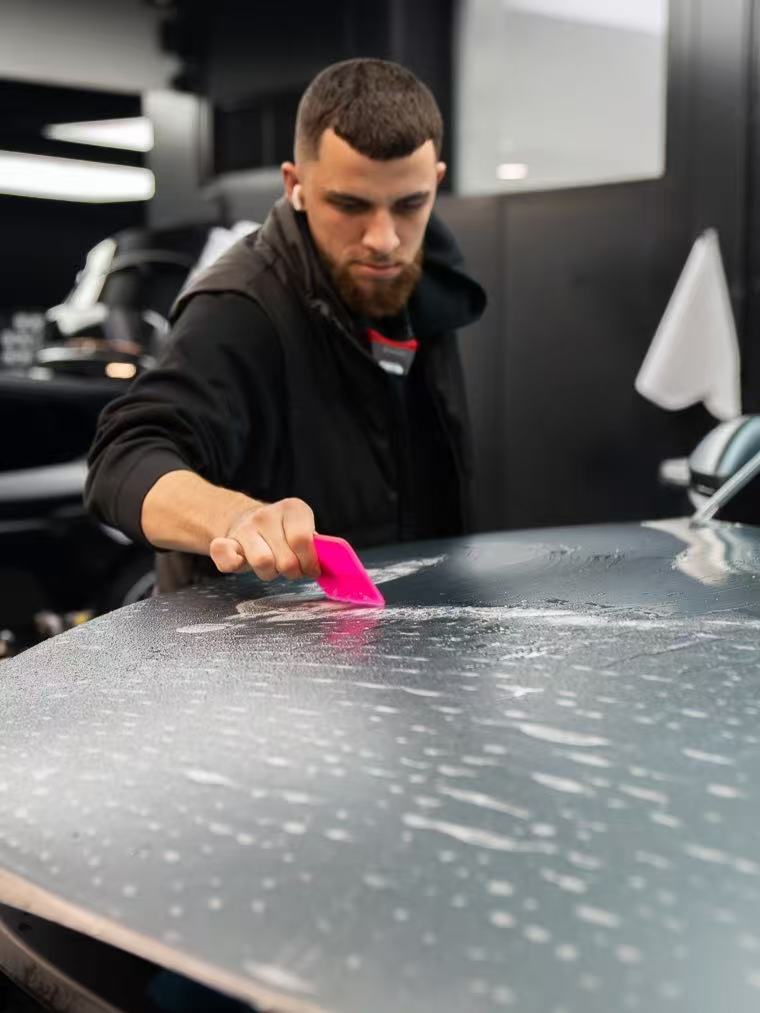
Taking care of your paint protection film keeps your car looking sharp for years. You want your investment to last as long as possible. With the right habits, you can enjoy a flawless finish and avoid early wear.
Ongoing Care
Regular cleaning is the best way to protect your film. Wash your car with a non-abrasive soap. Stay away from harsh chemicals that can break down the adhesive. Dry your car with a soft microfiber towel to prevent scratches. Check your film every few months for any signs of damage or lifting edges.
Here’s a simple routine to follow:
- Wash your car every week or two with pH-neutral soap.
- Use gentle drying methods—no rough towels or brushes.
- Inspect the film for chips, bubbles, or peeling.
- Apply a sealant every six months for extra UV protection.
- Park in the shade or use a car cover when you can.
Tip: Consistent care helps your PPF last between 5 and 10 years. Gentle washing keeps the top layer clear and strong.
Ravoony Pro makes maintenance even easier. Its hydrophobic surface repels water, so dirt and grime slide right off. You spend less time scrubbing and more time enjoying your ride. The UV-resistant layer keeps the film from fading or yellowing, even in harsh sunlight.
Preventing Film Damage
You want to avoid common causes of damage after ppf installation. Small mistakes can lead to big problems if you ignore them. Check out this table for quick tips:
| Common Problem | How to Prevent It |
|---|---|
| Improper cleaning | Use soft towels and pH-neutral soap |
| Sun exposure | Park in shade or use a car cover |
| Edge lifting | Inspect edges and press down gently if needed |
| Scratches from debris | Rinse off sand and grit before wiping |
Stay alert for any changes in your film. Quick action stops small issues from getting worse. With Ravoony Pro, you get a film that stands up to the elements and keeps your car looking new.
You want your car to look great and stay safe. Careful ppf installation stops mistakes and keeps your paint safe. Here are some important steps:
- Clean and get the surface ready.
- Stretch the film just enough.
- Make sure bubbles and dirt stay away.
- Seal the edges tightly.
- Watch the temperature and humidity.
FAQ
How long does it take to install PPF on a car?
You can expect the process to take 2 to 8 hours. The time depends on your car’s size and how much coverage you want. Professionals usually finish faster than DIY installers.
Can I wash my car right after installing PPF?
Wait at least 48 hours before washing your car. This gives the film time to settle and stick well. If you wash too soon, you might cause lifting or bubbles.
What should I do if I see bubbles after installation?
- Small bubbles often go away on their own.
- For bigger bubbles, use a soft squeegee to push them out.
- If bubbles stay, ask a pro for help.