


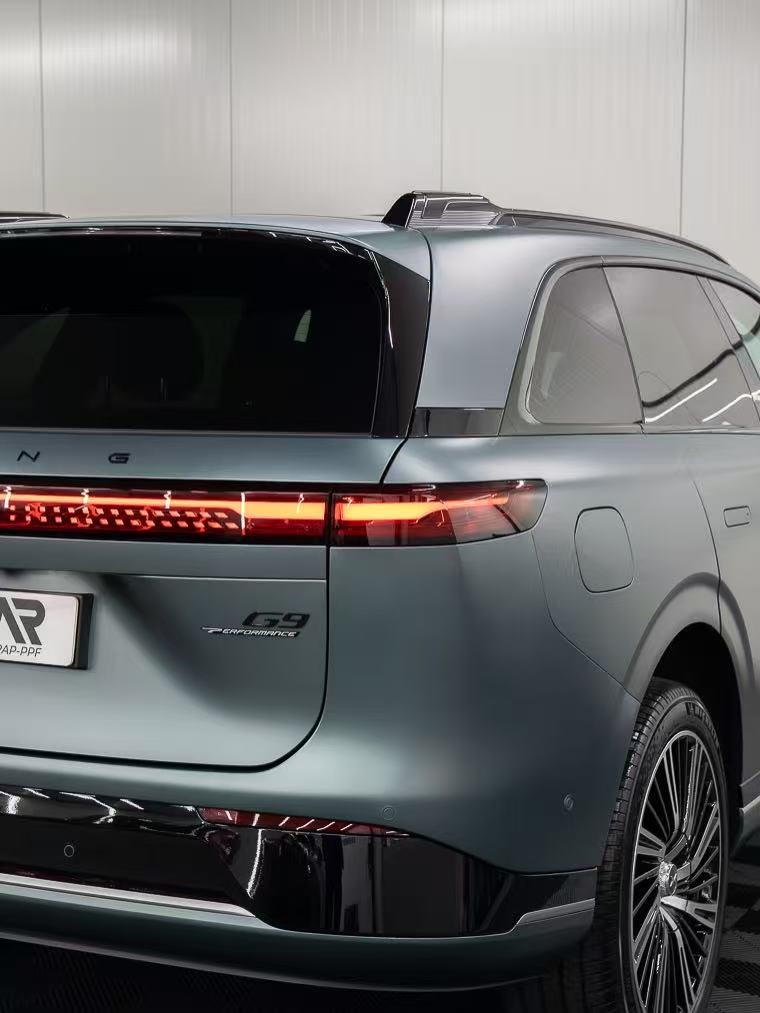
You might wonder why is PPF so expensive when you first see the price. Today this article will tell you why it is so expensive.
Why is PPF so expensive?
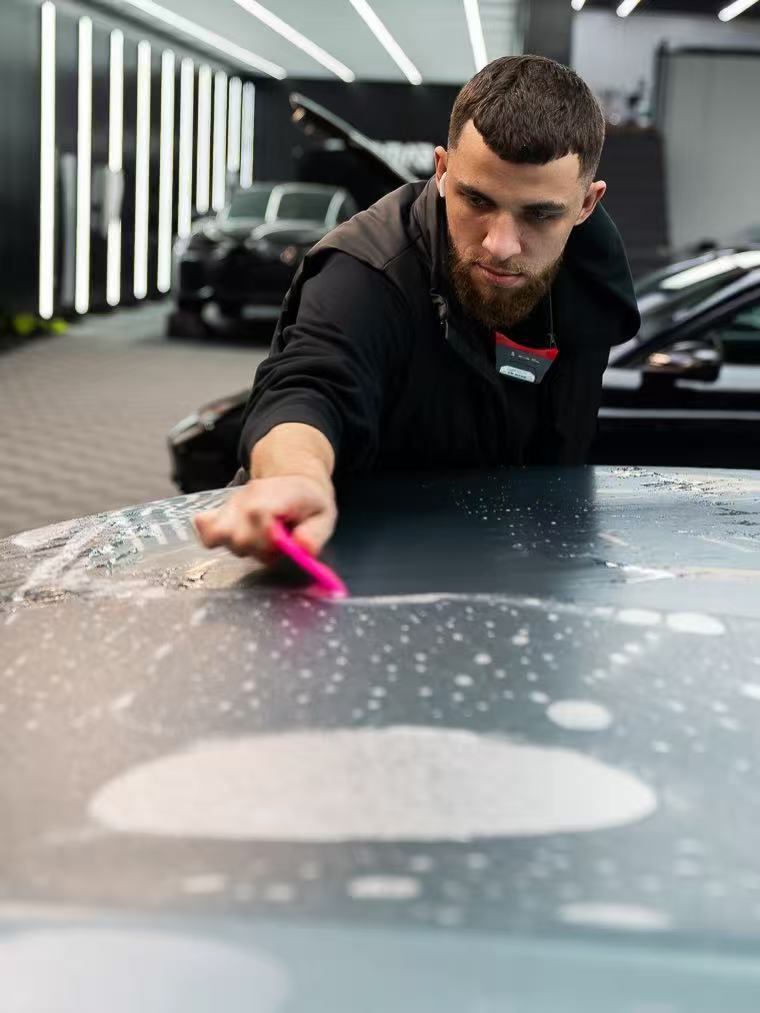
The reasons why is ppf so expensive have three main things: the materials and technology, the installation process, and the long-term value you get. Let’s break each one down so you can see what you’re really paying for.
Material and tech costs
When you look at high-quality options like Ravoony Best Car Paint Protection Film, you see why is ppf so expensive compared to regular car wraps or wax. Ravoony Auto Paint Protection Film uses advanced materials like TPU (Thermoplastic Polyurethane), acrylic-based adhesives, and PET back paper. These materials are made with special composite technology. This means you get a film that’s strong, clear, and stable.
But it’s not just about the base material. Ravoony ppf adds features that make a big difference:
- Self-healing technology: Minor scratches disappear on their own, so your car always looks fresh.
- Hydrophobic coating: Water, dirt, and grime slide right off, making cleaning easier.
- UV resistance: The film blocks harmful rays, so your paint doesn’t fade or yellow.
So, when you wonder why is ppf so expensive, remember that you’re paying for advanced protection and technology that keeps your car looking its best.
Installation and labor
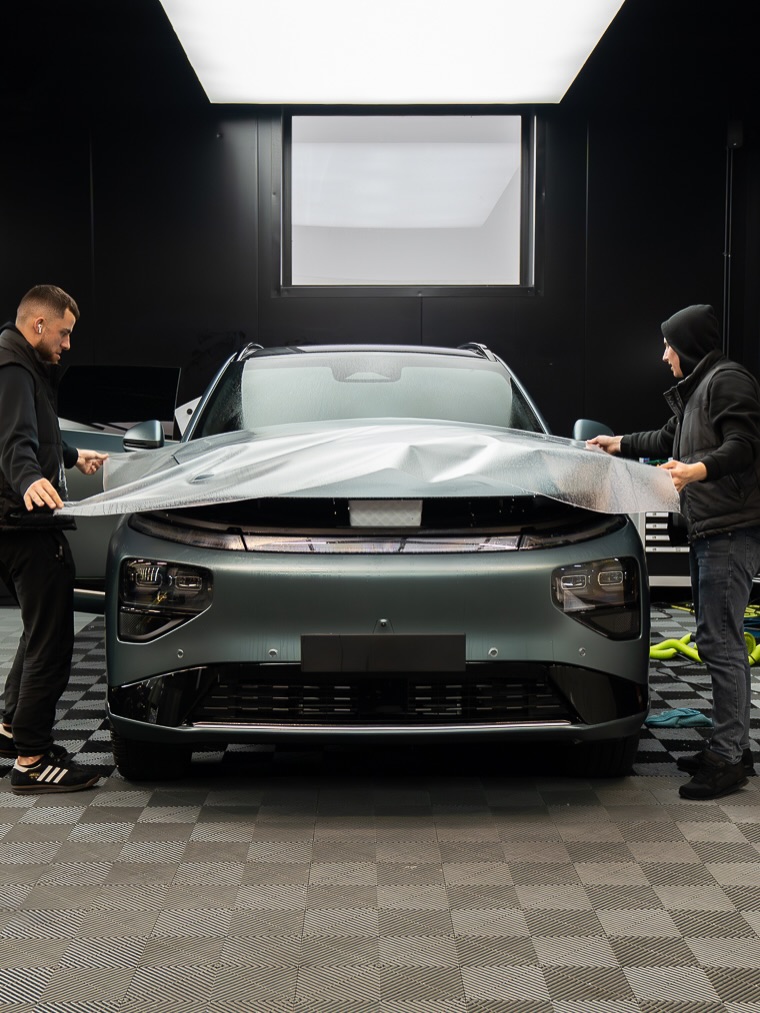
The next big reason for the price is the installation. PPF isn’t like a sticker you slap on your car. It takes skill, time, and the right tools. Installers need to measure, cut, and fit the film perfectly to your car’s shape. If you have a luxury car or a vehicle with lots of curves, the job gets even harder.
The type of car also matters. A simple sedan takes less time and costs less. A sports car with lots of details takes longer and costs more. For example, wrapping a Tesla Model 3 is quick and easy, but a Porsche 911 GT3 RS takes 4-5 hours and is much more complex.
Longevity and warranty
A strong warranty adds even more value. With Ravoony ppf, you get a 10-year warranty. This means you don’t have to worry about yellowing, cracking, or peeling. If something goes wrong, you’re covered. That peace of mind is worth a lot, especially if you want to keep your car looking new or plan to sell it later.
- Protects your investment: Warranty covers repairs or replacements if there are defects.
- Keeps your car’s value high: Buyers love seeing a car with flawless paint and a valid warranty.
- Gives you confidence: You know you’re getting a product that stands the test of time.
So, why is ppf so expensive? You’re paying for top-notch materials, expert installation, and years of worry-free protection. If you want your car to look amazing for as long as possible, PPF is a smart choice.
Is PPF worth it?
Key benefits for your car
You want your car to look great for years, right? That’s where Paint Protection Film really shines. Paint Protection Film gives you a nearly invisible shield that keeps your paint safe from scratches, rock chips, and harsh weather. You get advanced features like self-healing technology—so those annoying little scratches just disappear with a bit of sunlight or heat. The hydrophobic coating means water, dirt, and grime slide right off, making your car easier to clean. UV resistance keeps your paint from fading, even if you park outside all day.
Who should get PPF?
Not every driver needs PPF, but some will benefit more than others. Ask yourself these questions:
- Did you just buy a new vehicle and want to keep it looking new?
- Do you drive a lot, especially on highways or gravel roads?
- Does your car face harsh weather, lots of sun, or urban pollution?
If you answered yes to any of these, PPF could be a smart move. Many car owners love PPF because it preserves the original paint and can increase resale value by up to 10%. High-mileage drivers and those who park outside also see big benefits. Even if you just want peace of mind, PPF helps you avoid costly repairs from chips, scratches, and fading.
Cost vs. value
Let’s talk money. You might still ask, why is ppf so expensive up front? The truth is, PPF can actually save you money over time. Regular paint repairs can cost $1,700 to $3,000 over five years. With PPF, you avoid most of these expenses because the film takes the hits, not your paint. Maintenance costs drop, and you don’t need to repaint or fix chips as often.
- PPF prevents damage from chips, scratches, and UV fading.
- The initial cost is offset by long-term savings on repairs.
- Cars with PPF can sell for up to 10% more than those without.
- You might see an extra $1,000 to $2,000 in resale value.
If you want to protect your car, save money on repairs, and keep your vehicle looking new, PPF is a solid investment. You get peace of mind, less hassle, and a car that stands out for years.
Alternatives to PPF
Ceramic coating vs. PPF
You might wonder if ceramic coating can do the same job as PPF. Both protect your car, but they work in different ways. Ceramic coating is a liquid that bonds to your paint. It gives your car a deep shine and makes water bead right off. PPF, like Ravoony Pro, is a thick, clear film that acts as a shield against rocks and scratches.
Here’s a quick comparison:
| Aspect | Ceramic Coating | Paint Protection Film (PPF) |
|---|---|---|
| Durability | Thin layer (2–4 µm), 9H hardness | Thick (150–300 µm), self-healing, absorbs impacts |
| Protection | Great gloss, chemical resistance | Blocks chips, scratches, and road debris |
| Upfront Cost | $799–$1,299 | $2,800–$4,500 |
| Maintenance | Needs yearly touch-ups ($150/year) | Lasts 5–10 years, low upkeep |
Ceramic coatings make your car shine and stay clean longer. PPF gives you a tough barrier that takes the hit when rocks or debris fly up.
Wax and other options
Wax is the classic choice for car lovers. It’s easy to apply and makes your paint look glossy. But wax wears off fast—sometimes in just a few weeks. You’ll need to reapply it often to keep your car protected.
If you want long-term protection, PPF stands out. Over three years, cars with PPF keep their gloss and have fewer paint defects. Wax just can’t match that level of defense.
| Treatment Type | Average Cost | Durability |
|---|---|---|
| PPF | High | 5 to 10 years |
| Wax | Low | 3 weeks to 3 months |
Pros and cons
Every option has its strengths and weaknesses. Here’s a quick look:
| Product | Advantages | Disadvantages |
|---|---|---|
| Ceramic Coating | Deep shine, easy cleaning, resists chemicals | Less impact protection, needs upkeep |
| PPF | Best defense, self-healing, long-lasting | Higher upfront cost |
| Wax | Cheap, quick, boosts gloss | Wears off fast, little scratch protection |
You get to pick what fits your car, your budget, and how much effort you want to put in.
If you have a fancy car or want your paint to stay perfect, PPF is a good choice. It also helps if you want to sell your car for more money later. If you drive every day, think about your budget and how much protection you need. Most experts say PPF is worth it for many car owners.