


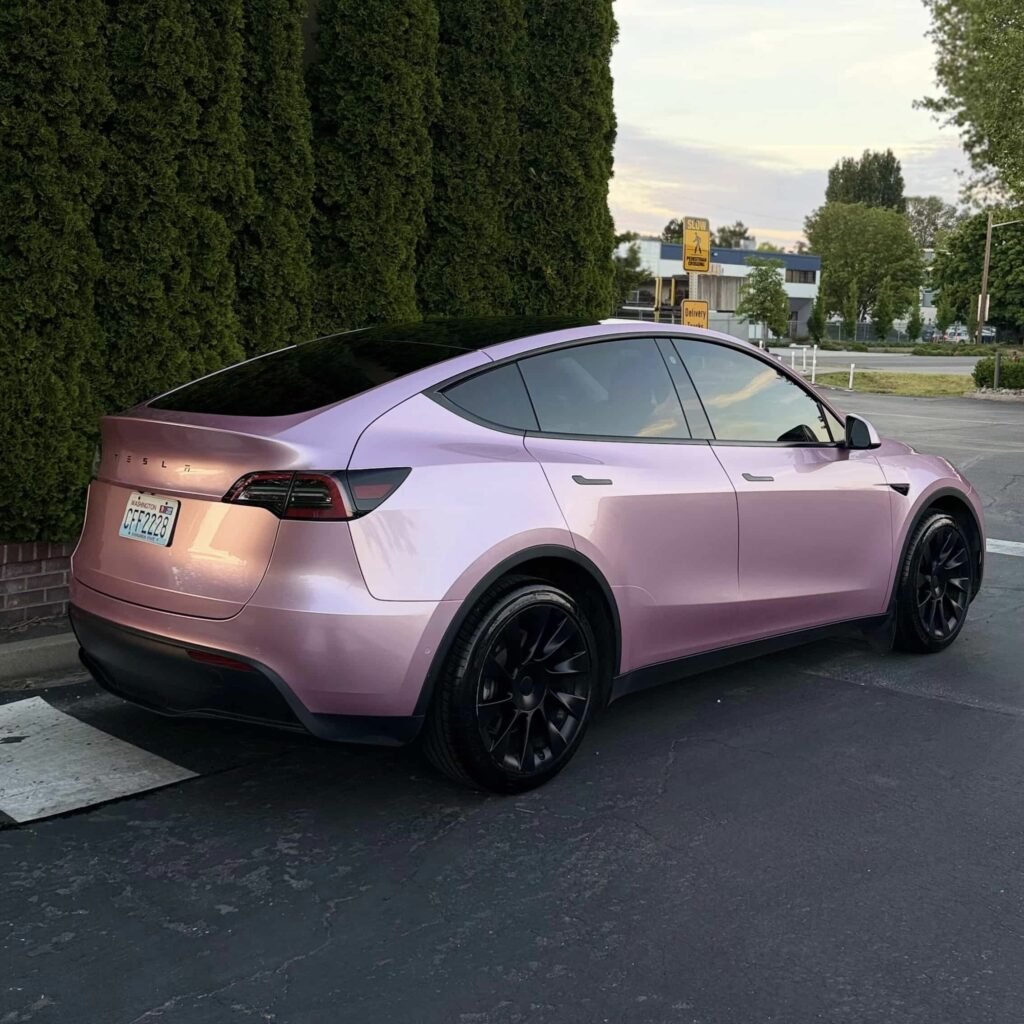
You park outside at work, in your apartment lot, or on the street every day. Summer sun beats down and makes it tough to protect your paint. You may not notice, but these hazards attack your finish:
- Sun damage fades and chips paint.
- Bird droppings weaken the protective layer.
- Tree sap bonds to the surface.
- Bugs, dirt, and dust stick fast.
These issues make it hard to protect car paint. You want your ride to shine, right? With the right paint protection, you can stop damage before it starts. New car protection means you keep your paint looking fresh year-round. Smart habits and products help you protect your paint every day. Don’t let summer win—protect your paint from the start. You choose how you protect your paint, so make it last.
Why Summer Damages Car Paint
UV Rays and Oxidation
You might think your car’s paint can handle the summer, but sun damage starts fast. UV rays break down the clear coat and cause oxidation. Your paint loses its shine and starts to fade.
In paint applications, UV effects are usually seen as discoloration or fading. This process (photodegradation) occurs when UV rays pass through the clear coat, and paint molecules absorb photons, triggering chemical reactions like oxidation, bond cleavage, and fragmentation.
You need uv protection to slow this process. Without it, sun damage will leave your car looking dull and tired.
Heat and Clear Coat Cracking
Hot weather does more than just make your car uncomfortable. High temperatures speed up sun damage. Heat can cause the clear coat to expand and contract. Over time, this leads to cracks and lets more UV rays in. Heat-induced clear coat damage can happen quickly. When the clear coat breaks down, sun damage gets worse. You see fading, dullness, and even peeling. Parking outside every day means your car faces this risk all summer.
Bird Droppings and Tree Sap
Summer brings more than just sun damage. Bird droppings and tree sap can ruin your paint if you don’t act fast.
- Bird droppings contain acidic compounds that can damage automotive paint.
- These acids can affect the clear coat shortly after contact.
- When exposed to sunlight, the droppings can harden, leading to etching and permanent marks on the paint.
- 0-2 hours: No visible damage, easy removal.
- 2-12 hours: Faint outline may be visible after removal.
- 12-48 hours: Visible etching that may require light polishing.
- 48+ hours in Texas sun: Deep etching requiring professional correction.
Sun damage from droppings and sap gets worse with heat. Quick cleaning is your best defense.
Pollution, Dust, and Grime
City life adds another layer of sun damage. Pollution, dust, and grime stick to your car and speed up paint wear.
| Pollutant Type | Sources |
|---|---|
| Metal(loid)s | High-temperature combustion, motor vehicle emissions, tyre and brake wear, road dust |
| Polycyclic Aromatic Hydrocarbons (PAHs) | Incomplete combustion processes, pyrolysis of organic matter (wood, coal, natural gas, oil) |
Dust and dirt contain tiny, sharp particles. If you wipe them off dry, you risk scratching your paint. Brake dust, mud, and tar can cling to the surface and make sun damage worse. In hot weather, these contaminants bake onto your car, making them harder to remove and causing stains. Regular washing and uv protection help keep your paint safe from all this summer trouble.
Daily Habits to Protect Your Paint
You park outside every day, so your car faces sun, heat, and grime nonstop. The good news? You can fight back with a few simple habits. These steps help you protect your paint all summer long.
Wash Regularly and Use pH-Balanced Soap
Washing your car often is the first line of defense. If you park outdoors, aim to wash your car every week during summer. This keeps dust, pollen, and sticky stuff like bugs or tar from baking onto your paint. Summer heat makes these things bond to the surface, so waiting too long means more work later.
When you wash, always choose a pH-balanced soap. Regular dish soap or harsh cleaners can strip away protective layers and scratch your paint. pH-balanced soaps are gentle and keep your clear coat safe. Professional car washes use these products for a reason—they protect your finish and help your car look its best.
Tip: Clean off bugs and tar as soon as you spot them. The longer they sit, the harder they are to remove.
Remove Bird Droppings Fast
Bird droppings are more than just ugly—they’re dangerous for your paint. In hot weather, droppings can start to etch into the clear coat in just a few hours. If you leave them on, you might see visible damage in a day or two. Always remove bird droppings as soon as you notice them.
To clean them safely, soak the spot with water or a gentle cleaner. Let it soften before wiping. Never scrub dry droppings, or you could scratch your paint. If you’re away from home, keep a small spray bottle and microfiber cloth in your trunk for quick cleanups.
Note: Tree sap is just as harmful. Treat it the same way—remove it quickly and gently.
Use Sunshades and Park Smart
Direct sunlight speeds up fading and makes your car’s interior feel like an oven. Whenever you can, park in the shade—under trees, awnings, or in a garage. If shade isn’t available, use a car cover to shield your paint from UV rays and falling debris. A car cover also protects against dust, pollen, and even bird droppings.
If you’re at work or running errands, a windshield sunshade helps keep your dashboard cool and reduces heat inside. Parking smart means thinking ahead. Look for shaded spots, even if it means walking a little farther. When you can’t find shade, a car cover is your best friend for outdoor parking.
Pro Tip: If you live in an apartment or park on the street, keep a car cover in your trunk. It’s easy to use and gives you instant protection wherever you go.
Apply Wax for Basic Paint Protection
Waxing your car adds a layer of defense against sun, rain, and grime. In summer, a typical wax job lasts about 4 to 8 weeks. Most people see the best results by waxing every month and a half. Wax acts like a sunscreen for your paint, absorbing or reflecting harmful UV rays.
Here’s what wax does for your car:
| Benefit | Description |
|---|---|
| UV Protection | Wax acts as a UV filter, absorbing or reflecting harmful rays that can damage automotive paint. |
| Contaminant Resistance | Creates a slick surface that resists dirt, tar, bird droppings, and bugs, making cleaning easier. |
Wax also makes it easier to wash off sticky stuff before it can do harm. While wax is not a permanent solution, it’s a simple way to boost your summer car paint protection.
Remember: Wax works best when you combine it with regular washing, smart parking, and a car cover for full protection.
Comparing Paint Protection Options
Wax vs. Ceramic Coating
When you want to boost paint protection, you might wonder if wax or ceramic coating is better. Wax gives your car a quick shine and some defense, but it does not last long. You need to reapply wax every few weeks. Ceramic coating, on the other hand, sticks to your paint and forms a tough layer. It lasts for years and keeps your car safe from UV rays, bird droppings, and light scratches.
- Wax melts in high heat and offers only temporary paint protection.
- Ceramic coating resists chemicals, UV rays, and scratches much better.
- You pay more for ceramic coating, but you save time and money on reapplications.
- Ceramic coating needs professional installation for best results.
| Type | Initial Cost | Lasts | Protection Level | Maintenance |
|---|---|---|---|---|
| Wax | $10–$60 | Weeks to months | Low | High |
| Ceramic Coating | $50–$2,000 | Years | High | Low |
If you want long-term paint protection, ceramic coating and paint sealants are the way to go.
Paint Protection Film (PPF) vs. Vehicle Wrap
Auto Paint protection film and car wrap both shield your car, but they work differently. Paint protection film is clear and almost invisible. It guards against rock chips, scratches, and harsh weather. Most high-quality paint protection film lasts 5 to 10 years. Vehicle wrap lets you change your car’s color and style while adding a layer of paint protection. Wraps usually last 3 to 7 years.
| Feature | Paint Protection Film | Vehicle Wrap |
|---|---|---|
| Lifespan | 5–10 years | 3–7 years |
| Protection | Excellent (chips, UV, stains) | Good (UV, minor scratches) |
| Style Options | Clear | Many colors and finishes |
| Maintenance | Low | Medium |
Auto Paint protection film is best if you want invisible, heavy-duty paint protection. Choose a car vinyl wrap if you want to change your car’s look and still get some paint protection.
Which Offers the Best Paint Protection?
You want the best paint protection for your car, especially if you park outside. Independent tests show that paint protection film stands out in tough summer conditions. It resists UV rays, humidity, and keeps your paint looking new. Ceramic coating and sealant also give strong paint protection, but paint protection film acts like an invisible shield. Many car owners pick paint protection based on how much they care about their car’s look and how much they want to invest. If you want to keep your car’s value high, paint protection film and ceramic coating are smart choices. Paint sealants and wraps add style and extra defense, but nothing beats the full coverage of paint protection film.
Paint Protection Film for Outdoor Parking
How Car PPF Shields Your Paint
If you park outside every day, your car faces a lot of threats. Paint protection film acts like a clear shield for your vehicle. It covers the most vulnerable areas, such as the hood, bumpers, and mirrors. This film stops rocks, sand, and road debris from chipping your paint. You get peace of mind knowing your car stays safe, even in busy parking lots or on long road trips.
Paint protection film also gives you strong uv protection. The top layer blocks harmful rays that cause fading and oxidation. In sunny places like Southern California, this makes a huge difference. Your car keeps its color and shine much longer.
Benefits: UV, Chips, Self-Healing, Easy Cleaning
You get more than just uv protection with paint protection film. Here’s what makes it special:
- Blocks up to 99% of UV rays, so your paint stays bright and glossy.
- Stops rock chips and scratches before they reach your car’s finish.
- Features a self-healing topcoat. Light scratches disappear when you wash your car or park in the sun. The film’s special layer moves and reforms with heat, making small marks vanish.
- Makes cleaning easy. Dirt, bugs, and bird droppings wipe off without much effort.
You don’t have to worry about deep scratches or cuts, but for everyday wear, paint protection film keeps your car looking new. You spend less time worrying and more time enjoying your ride.
Vehicle Wraps: Style and Protection
How Vehicle Wraps Protect Car Paint
You want your car to stand out, but you also want to protect your paint. Vehicle wraps give you both. These wraps cover your car’s original paint with a tough film. You get a new look and a shield against summer hazards.
Premium wraps use UV inhibitors. These special ingredients absorb harmful sunlight and keep your paint from fading. Clear laminates add another layer of UV protection. This means your car gets double defense against sun damage. Regular maintenance treatments help the wrap last longer. They create a barrier that blocks UV rays and keeps out dirt and contaminants.
Here’s what a quality vehicle wrap does for your car:
- Stops UV rays from fading your paint.
- Shields against bird droppings, tree sap, and pollution.
- Makes cleaning easier. Dirt and bugs wipe off fast.
- Keeps your car looking fresh for years.
Want to change your car’s color? Wraps let you pick from hundreds of shades and finishes. You can go matte, gloss, or even metallic.
When to Choose Wrap vs. PPF
You might wonder which option fits your needs. Auto paint protection film (PPF) gives maximum protection. It’s clear and almost invisible. PPF works best if you park outside every day and want your paint to stay flawless.
Vehicle wraps offer style and solid protection. Choose a wrap if you love changing colors or want your car to stand out. Wraps protect your paint and make resale easier.
| Choose PPF | Choose Vehicle Wrap |
|---|---|
| Maximum protection | Style + protection |
| Invisible finish | Custom colors & finishes |
| Self-healing tech | Easier resale |
You can even combine both. Get a color PPF for style and top-level paint protection. Your car stays safe and looks amazing.
Which Paint Protection Is Right for You?
Decision Guide for Outdoor Parking
Choosing the best paint protection for your car depends on your daily routine and what matters most to you. If you park outside every day, you face more sun, dirt, and debris. Here are some things to think about:
- How often do you drive? If you use your car daily, you need stronger protection from road debris and UV rays.
- What is your car’s value? Luxury cars or new vehicles deserve full coverage to keep them looking their best. If your car is older or you plan to sell soon, partial coverage might be enough.
- How long will you keep your car? If you plan to own your car for years, invest in long-lasting protection. Leasing or selling soon? You can choose a simpler option.
You can also match the thickness of the film to your driving style. Urban drivers often pick thinner films for light scratches. If you drive in the suburbs or on rough roads, a thicker film gives better defense. Off-road drivers should look for the thickest films to handle tough impacts.
Combining Style and Paint Protection
Your style and budget play a big role in your decision. Some paint protection options focus on durability and self-healing features, which cost more but last longer. If you want to change your car’s color or finish, a vehicle wrap gives you style and protection at the same time. You can even combine a color wrap with paint protection film for the best of both worlds. This way, your car stands out and stays safe from summer hazards.
Tip: Think about what matters most—protection, style, or both. There’s a solution for every driver and every budget.
- Summer brings sun, heat, and grime that attack your car’s paint.
- Regular washing and waxing help, but you need long-term protection for lasting results.
- Vehicle wraps and paint protection film keep your car looking sharp.Ready to upgrade? Check out premium paint protection film and vehicle wrap solutions.
FAQ
Does parking in the sun permanently damage car paint?
Yes, parking in the sun can cause fading and oxidation. You can slow the damage with regular washing, waxing, or paint protection film.
Is ceramic coating enough for outdoor parking?
You get good protection from ceramic coating. It resists UV rays and dirt. For maximum defense, combine it with paint protection film.
Can bird droppings damage car paint overnight?
- Bird droppings can etch your paint in just a few hours.
- Clean them off quickly to avoid permanent marks.